RAS Institute Participates in XR Futures Conference 2026 in Berlin
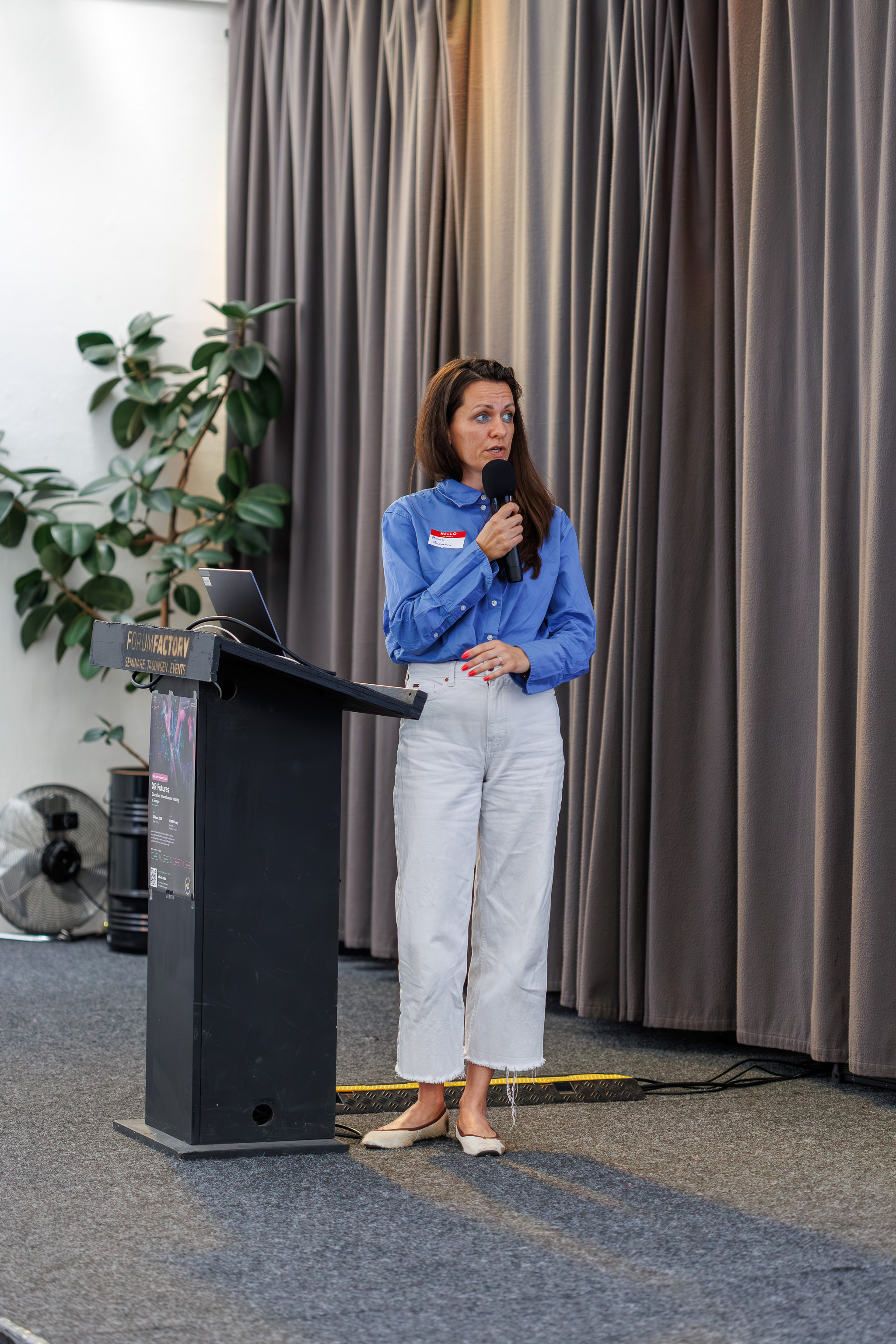
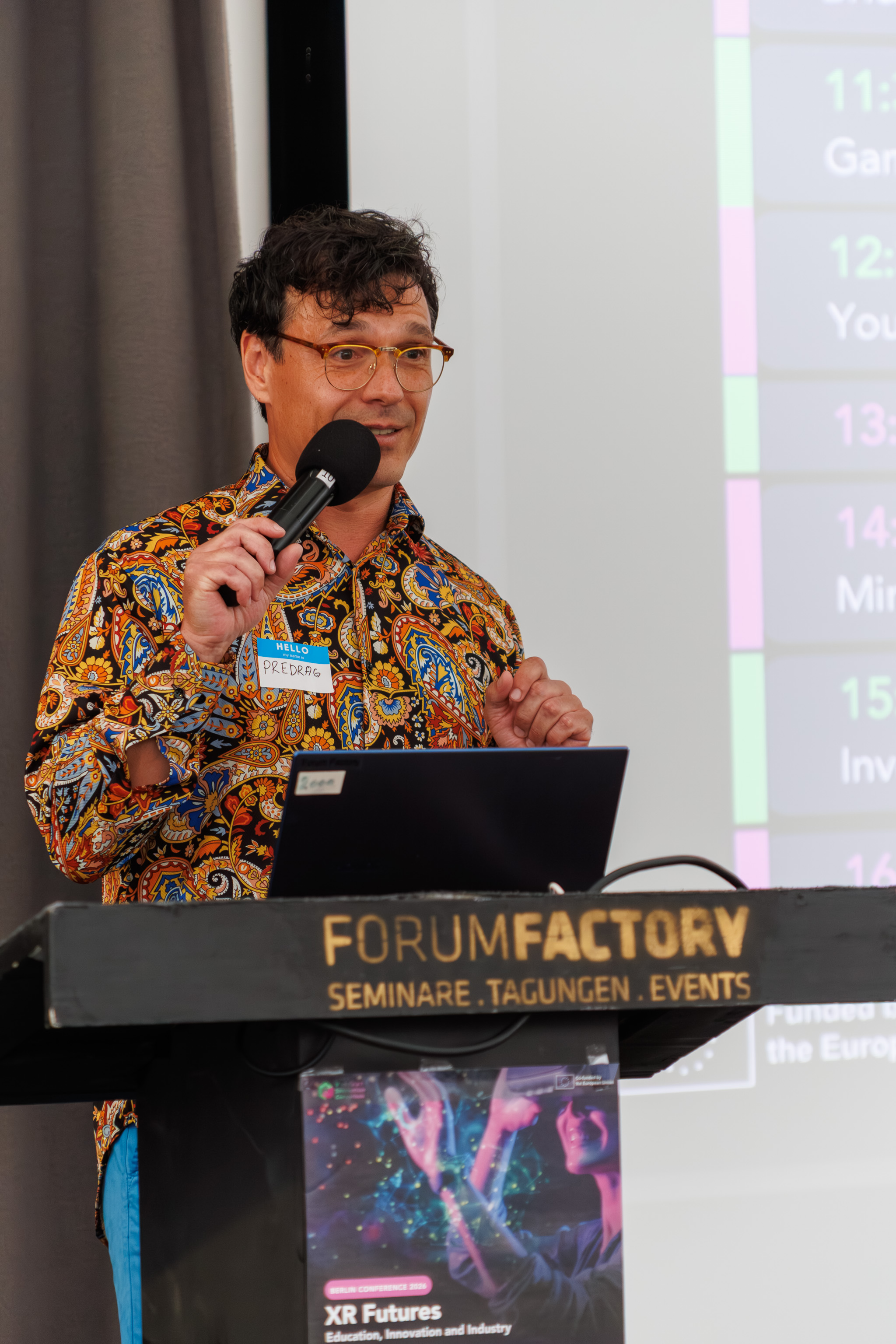
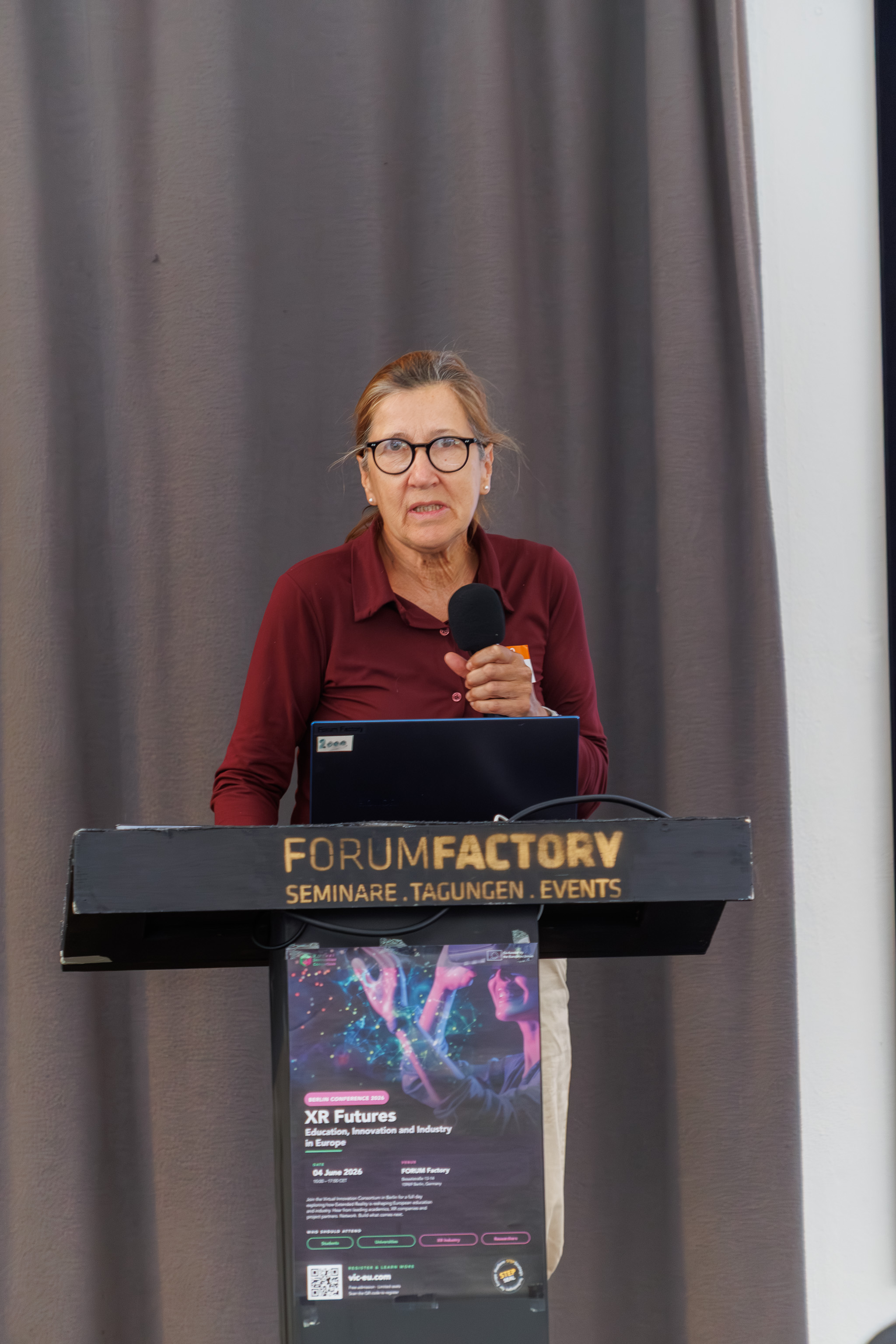
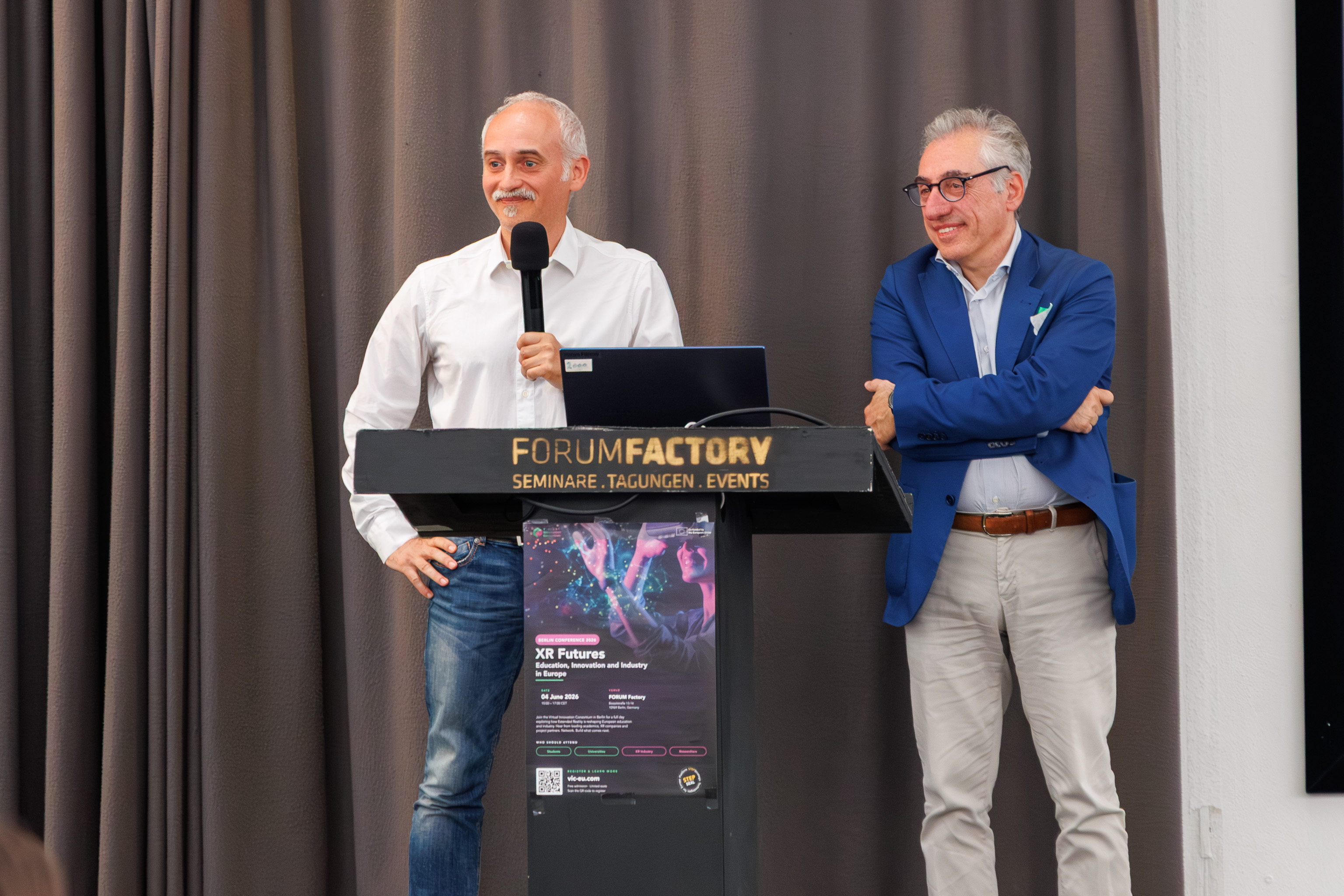
On 4 June 2026, the XR Futures Conference 2026: Education, Innovation and Industry in Europe brought together an inspiring community of educators, researchers, industry leaders, innovators, students, and XR professionals at FORUM Factory in Berlin.
Organised by the Virtual Innovation Consortium (VIC), the conference served as a dynamic platform for dialogue, knowledge exchange, and collaboration focused on the future of Extended Reality (XR) technologies and their growing impact on education, skills development, research, and industry across Europe.
As a partner in the VIC consortium, RAS Institute was proud to contribute to discussions on the future of immersive technologies and their role in strengthening Europe's digital capabilities. The VIC project brings together eleven organisations from across Europe, combining expertise from higher education, research, vocational training, and industry. Consortium partners include ISTEC (Portugal), EUNEIZ (Spain), UNINT (Italy), ENTI-UB (Spain), Politecnico di Milano (Italy), RAS Institute (Bulgaria, France, UK), Cacttus Education (Kosovo), Simplon (France), Khora (Denmark), Youbiquo (Italy), and UNICIS.Tech (Estonia. Together, the consortium is building a future-ready European XR ecosystem through advanced education, research, and industry collaboration.
Throughout the day, participants explored how immersive technologies are transforming the way people learn, work, innovate, and collaborate. Discussions highlighted both the rapid evolution of XR technologies and the importance of stronger links between academia, research institutions, and industry to ensure Europe remains at the forefront of digital innovation.
Conference Highlights
Strengthening Europe's XR Skills Ecosystem
A key session focused on skills development, innovation pathways, and the progress of the VIC project. Speakers demonstrated how collaborative European ecosystems can accelerate XR adoption, support workforce development, and address the growing demand for advanced digital skills.
Gamification, Serious Games and Motivational Design
Experts shared insights into game-based learning methodologies, immersive engagement strategies, and the use of XR technologies to create more effective and meaningful educational experiences.
European XR Trends and Challenges
Representatives from Youbiquo explored emerging trends in XR, current challenges facing the sector, and efforts to establish a common European framework to support sustainable growth and innovation across the XR landscape.
Open-Source XR Innovation
MindPort GmbH presented VR Builder, showcasing how open-source XR platforms can support research institutions, educators, and industry organisations in developing and scaling immersive solutions more efficiently.
Virtual Reality for Business Transformation
Invelon Technologies demonstrated practical examples of how virtual reality is delivering value across industries by improving operational performance, enhancing workforce training, and supporting digital transformation initiatives.
The conference reinforced the importance of cross-sector collaboration and demonstrated the significant potential of XR technologies to shape the future of education, workforce development, research, and industrial innovation across Europe.
RAS Institute is pleased to contribute to the Virtual Innovation Consortium and looks forward to supporting future initiatives that strengthen Europe's leadership in immersive technologies and advanced digital skills.
|

|
|

|
|

|